Fraud protection.
Now it’s personal.
ANZ Falcon® technology monitors millions of transactions every day to help keep you safe from fraud.
Falcon® is a registered trademark of Fair Isaac Corporation.


Fraud protection.
Now it’s personal.
ANZ Falcon® technology monitors millions of transactions every day to help keep you safe from fraud.
Falcon® is a registered trademark of Fair Isaac Corporation.
Log in
Explore more
We invest significantly in the communities in which we operate. Investments such as community grants, financial education programs, sponsorship, employee volunteering and workplace giving goes to support the capacity, resilience and financial wellbeing of communities.
In 2023, our community investment was $141.6 million and we facilitated more than $24.9 million in donations to community organisations through our employees, customers, shareholders, other partners and the general public, including through our digital giving platform, Shout for Good.
In 2023, we provided $1.71 million through community grants programs.
to community organisations by our people. This represents more than 9,477 working days and $3,048,733 in value to the community.
As an organisation, it’s important for us to make our contributions count for the benefit of our customers, stakeholders and the broader community. This is why, since 2005, we've measured our community investment in accordance with the Business for Societal Impact (B4SI) Framework (formerly known as London Benchmarking Group), a global standard for measuring and managing social impact.


We fund causes, projects and charities through a range of different community grants.

We enable staff, customers and shareholders to make regular donations to our community partners.

We offer all employees at least one day of paid volunteer leave per year to make a positive difference in their communities.
Our employees have volunteered their time and expertise either as an individual or as a group to a range of causes such as mentoring high school students, formulating social media strategies for a community organisation or re-estabilishing habitat for native animals.
ANZ promotes volunteering opportunities in Australia to our employees via our intranet and through GoodCompany.

23.9%
of our employees volunteereddisclaimer over 75,810 hours to community organisations in 2023.
Natural disasters can have severe consequences for individuals, business and local communities. We have an important role to play in helping our customers and communities manage and recover from disasters.
Our Disaster Relief and Recovery Policy aims to deliver an efficient, coordinated and proportionate response to disasters.
If you’re a personal or business customer and have an ANZ Relationship Manager, please contact them first.

Completing our financial assistance form is the quickest way to request support. You can also call our financial hardship team, but be prepared for longer than expected wait times.

If you have insurance with ANZ and want to lodge a claim, visit insurance claims or call our insurance team.

You may wish to speak to someone in person. If it’s safe to do so, feel free to visit your local branch.

At this time we are not assessing any additional community sponsorships or funding requests. For any other community related enquiries please contact us by emailing community@anz.com.

This report provides detailed information on ANZ's focus on bringing our purpose to life through helping tackle significant societal challenges that are core to our business strategy and matter to society.
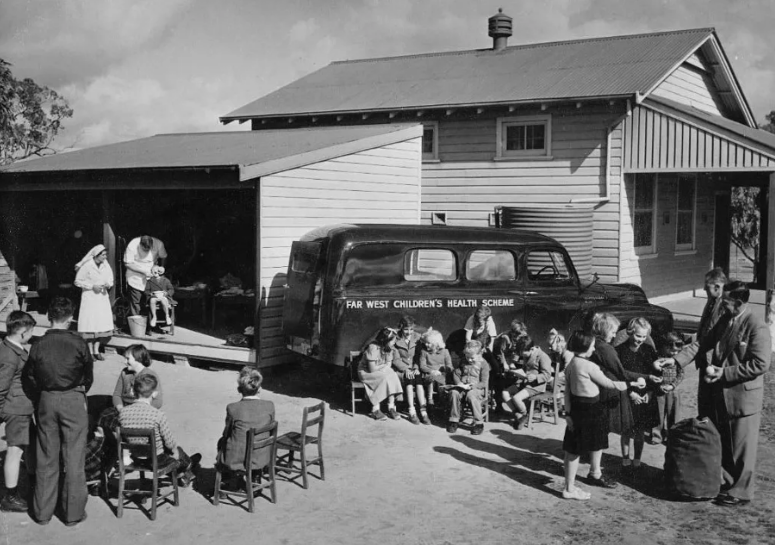
25 August 2023
In the vast expanse of rural Australia, two ANZ customers address the challenges families face in accessing quality healthcare.
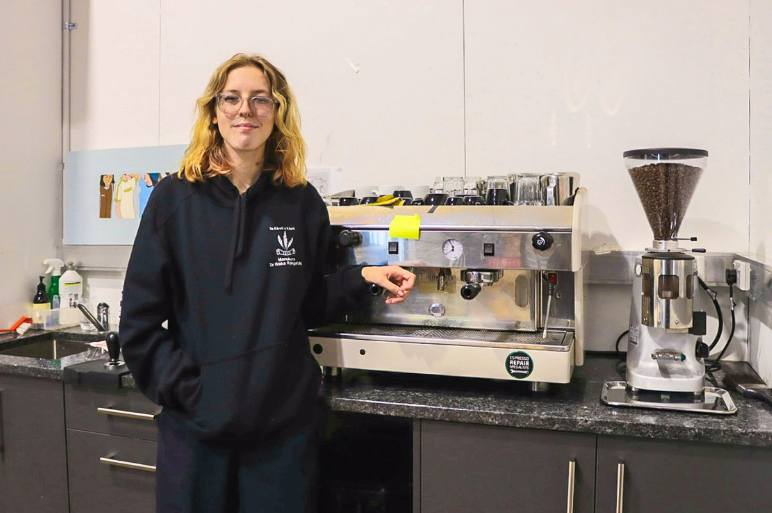
20 April 2023
A grant from the ANZ Staff Foundation has helped young Kāpiti coasters train as professional baristas.
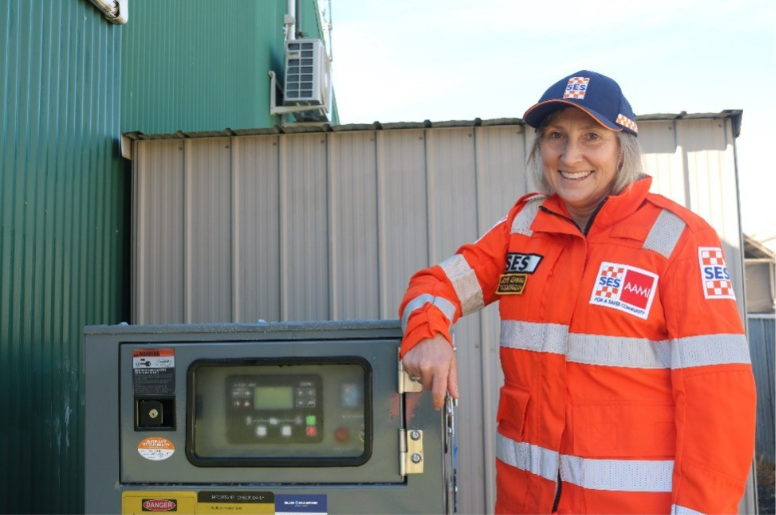
14 March 2023
Small towns in Victoria continue to worry about climate change. The residents and volunteers of Yack are working to secure a renewable future.

9 Nov 2021
In 2021, our flagship program was delivered to more than 2,572 participants across 102 sessions in India.
Our Volunteer Leave Policy, that applies to permanent, regular and fixed-term employees, provides for at least one day of paid volunteer leave each year.
Return